What to know before you start
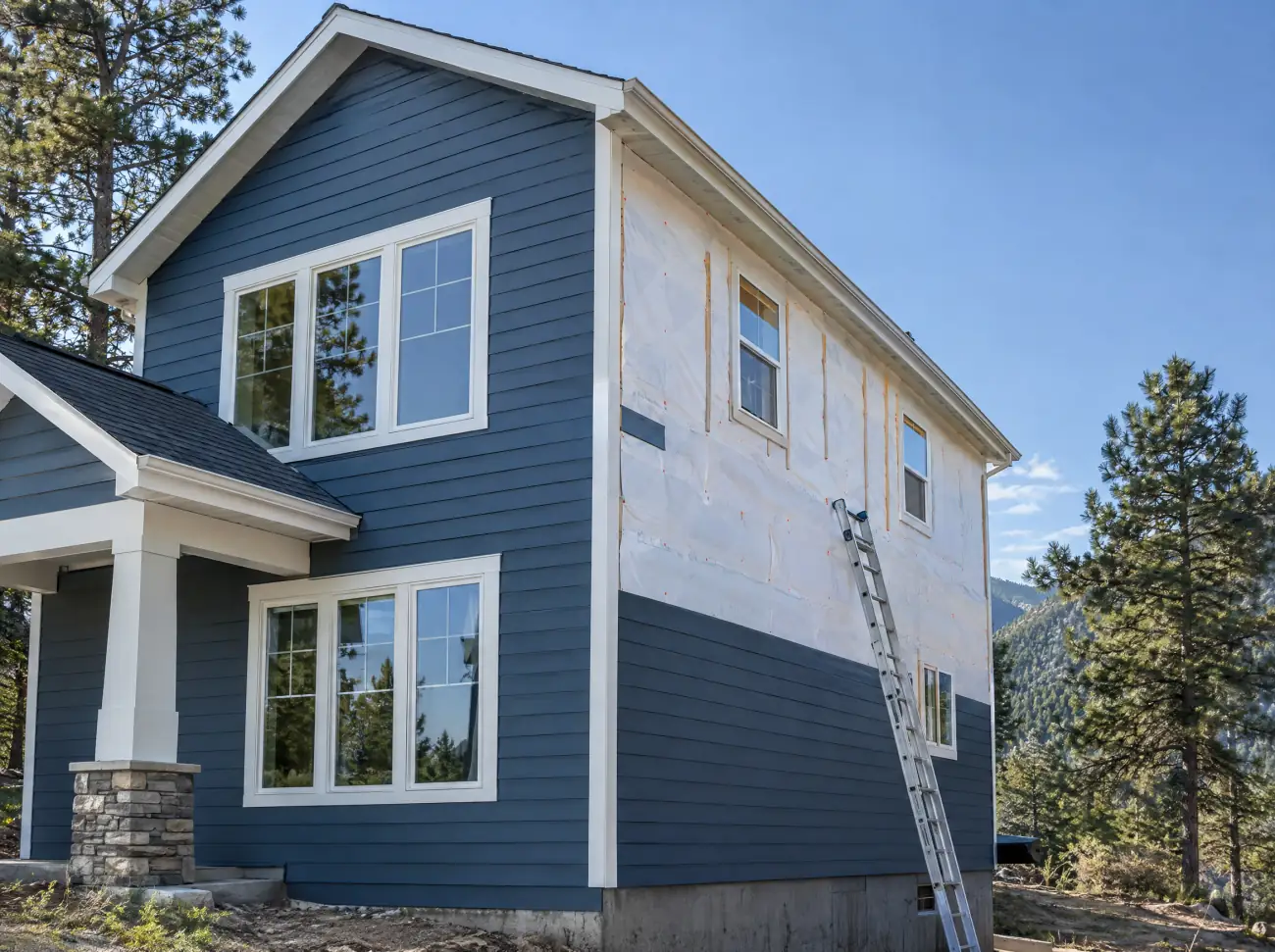
Siding is the part of the house everyone sees, but the work that counts is behind it. The water barrier, the flashing around windows and doors and the joints at the trim decide whether the walls stay dry.
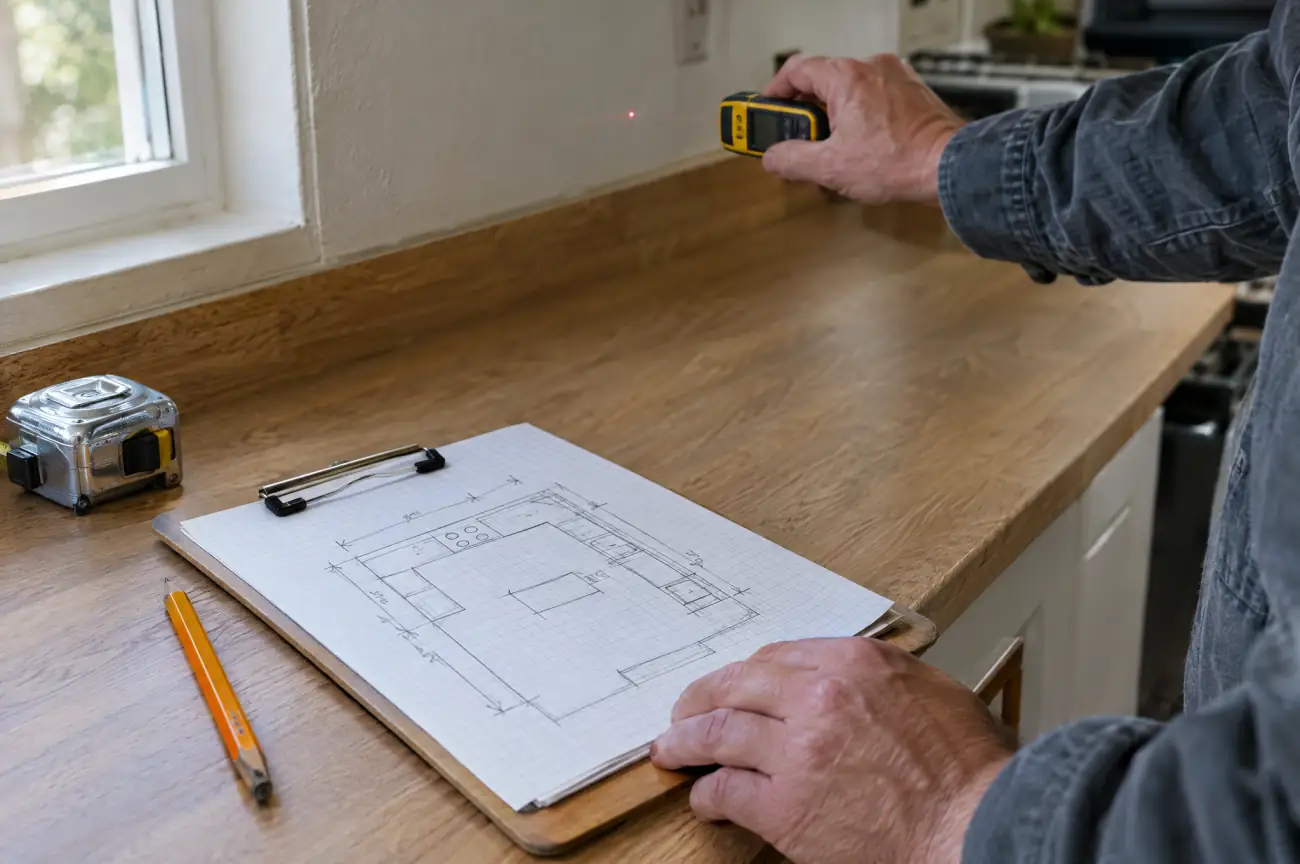
Our estimator measures every wall, counts the openings and corners, and photographs soft spots, hail damage and old repairs. That goes into the True Bid, a line-by-line scope every contractor bids on. You compare prices on the same job, and we stay involved through the final walkthrough.
What the job includes
- Removal and disposal of the old siding
- Repair of damaged sheathing found once the walls are open
- A new weather-resistive barrier over the sheathing
- Flashing at windows, doors and decks
- Kick-out flashing where roof lines meet walls
- The siding you choose, installed to the manufacturer's instructions
- New trim, corners, soffit or fascia where the scope calls for it
- Caulking, plus paint or factory finish touch-up
What we scope
Fiber cement
A heavy, paintable board that holds up well to hail and is noncombustible. A common pick for full replacements.
Vinyl
A low-maintenance option that doesn't need paint. It can crack in a cold-weather hailstorm and fade in strong sun, so grade and color matter.
Engineered wood
Wood-based lap and panel siding that comes primed or prefinished. Cut ends need sealing, and it needs clearance from the ground and roof.
Stucco and stone veneer
Used as full walls or as accents on many newer homes. Repairs take careful matching and proper drainage behind the finish.
Wood siding
Cedar lap and board-and-batten, most often for repairs or for matching an older home.
What drives the cost
Every project is different, so your True Bid prices yours line by line after the site visit. These are the things that move the price most.
- Wall area and height
- Tall walls need scaffolding or lifts, which add labor and setup.
- Material
- Vinyl usually costs less than fiber cement, and stone veneer usually costs more than either.
- Openings and corners
- Every window, door and outside corner needs trim and flashing, so a busy wall costs more than a plain one.
- Tear-off
- Removing old siding adds labor and hauling, and stucco is the slowest to take off.
- Hidden damage
- Rotten sheathing or framing behind the old siding has to be fixed before new siding goes up.
- Paint and finish
- Prefinished siding skips a paint job. Primed siding needs painting after it is installed.
Permits and HOAs in Douglas County
Whether new siding needs a building permit depends on where you live and how much of the wall gets opened up. Castle Rock, Parker, Lone Tree, Castle Pines and Larkspur set their own rules. Unincorporated areas, including Highlands Ranch, go through Douglas County's Building Division. Your contractor should confirm before work starts.
Castle Rock's adoption of the 2025 Colorado Wildfire Resiliency Code, effective July 1, 2026, can add requirements for some exterior work, depending on a property's wildfire risk rating. Other jurisdictions may have similar rules. Your HOA will likely want to approve the material and color too. We list each approval in the scope.
Built for Douglas County
Siding here takes hail from above and sun from every side. Hail can crack vinyl and dent metal trim, and UV fades color fastest on south and west walls. Big swings between day and night temperatures make materials expand and contract, which opens caulk joints over time.
Snow piles up against walls and along decks, so the bottom courses need proper clearance and flashing. In wooded and rural parts of the county, including around Franktown, Larkspur and Sedalia, ask how a material holds up to wildfire embers.
How DougCO Builds runs your project
- Tell us about itSend the basics through the project form. We call to set up a site visit.
- One site visitOur estimator measures, photographs what's there and talks through what you want.
- Your True BidYou get a written, line-by-line scope and a budget before any contractor sees the job.
- Contractors bid on the same scopeVetted local contractors bid without your contact details. You compare the bids side by side.
- We manage it with youWe check insurance and licensing before work starts, then walk the job at milestones and at the finish.
Questions to ask before you hire
- What water barrier goes behind the siding, and how will you flash the windows and doors?
- How will you price rotten sheathing if you find it?
- Is the siding prefinished, or does painting come after?
- Does the manufacturer's warranty depend on its install instructions, and will you follow them?
- How will you protect landscaping, decks and windows during tear-off?
Siding questions
Do I need a permit for new siding in Douglas County?
It depends on your jurisdiction and the scope of the work. Rules come from your town's building department, or from Douglas County's Building Division in unincorporated areas like Highlands Ranch. Your contractor confirms it, and we note it in the scope.
Which siding holds up best to hail?
Fiber cement and other thick materials generally hold up better than thin vinyl or aluminum. Product grade matters too. We can scope more than one material so you can compare.
Can you replace just the damaged walls?
Often, if the material can still be matched. Older profiles and colors can be hard to find, and new pieces may not match sun-faded walls. Our estimator notes this before anyone bids.
Should I replace my windows at the same time?
If the windows are near the end of their life, doing both lets the crew flash the new windows into the new water barrier once. It also avoids tearing out new trim later.