What to know before you start
Good drywall work disappears. Bad drywall shows up the first time afternoon light hits the wall: a ridge at a seam, a patch with the wrong texture, a nail pop that keeps coming back.
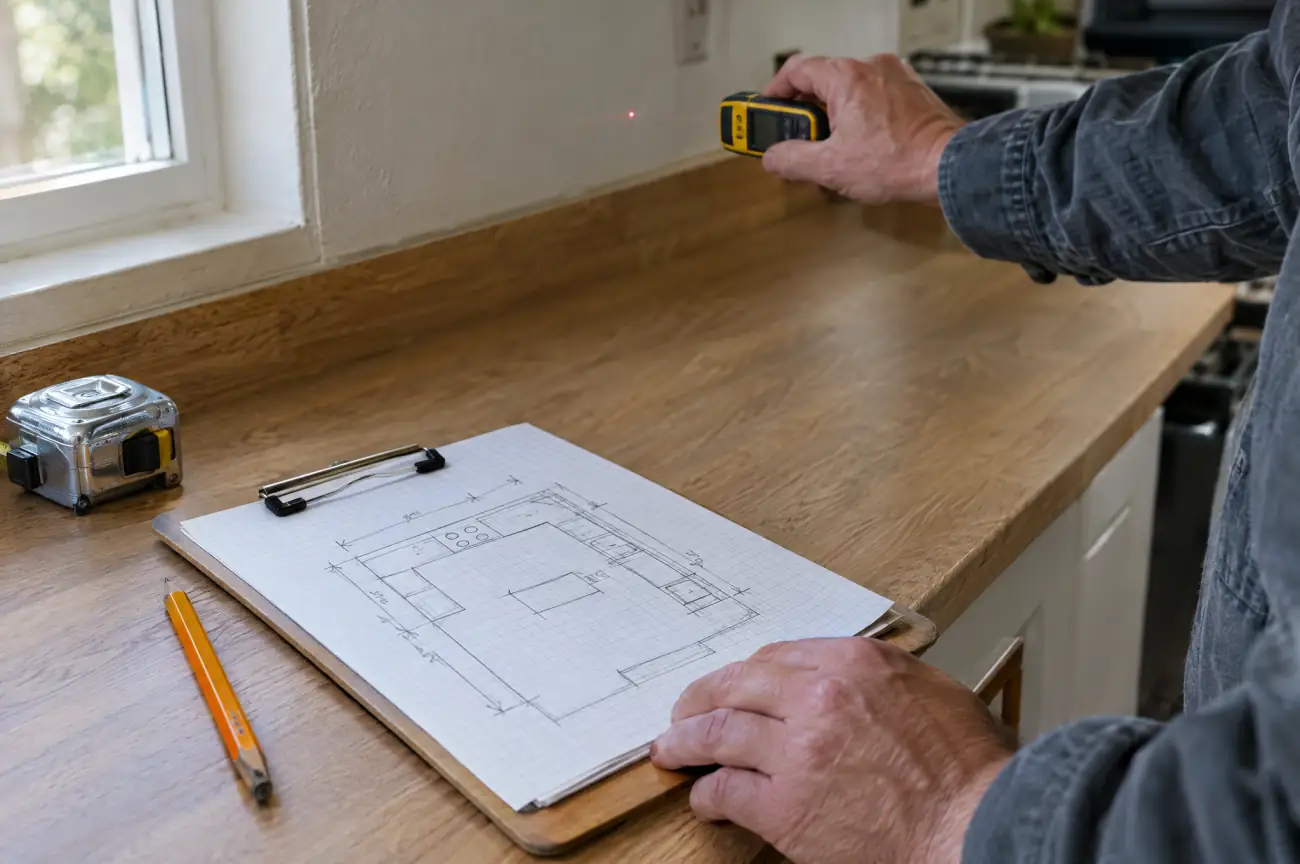
DougCO Builds writes down what a clean result takes. Our estimator measures the area, notes the texture you need to match and looks for the cause of the damage, like a leak or a settling crack. Every crew bids on the same scope, from hanging the board to the finish level and primer.
What the job includes
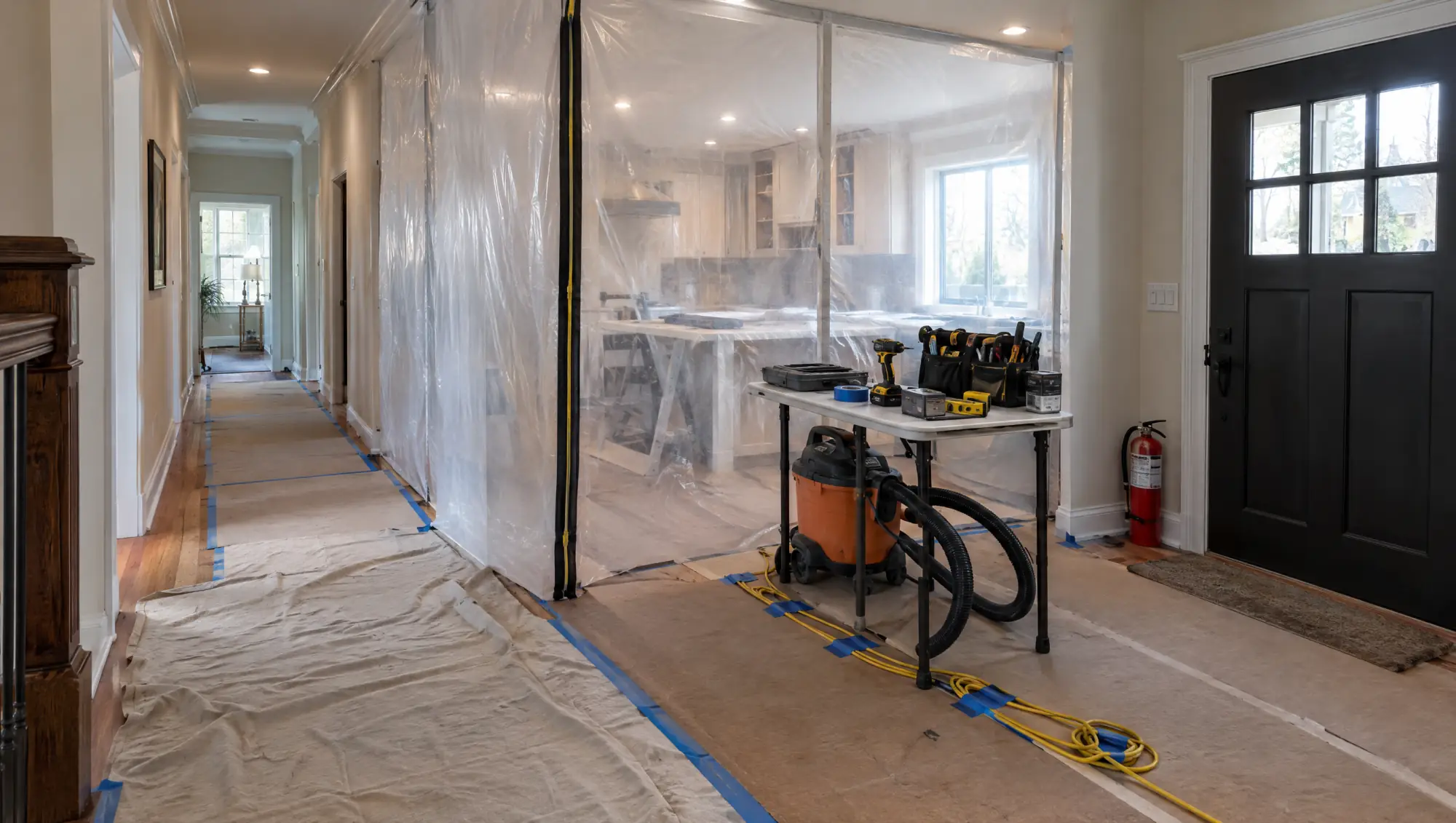
- Protecting floors and furniture and containing the dust
- Cutting out damaged board and adding backing where needed
- Hanging new drywall, with moisture-resistant board in wet areas
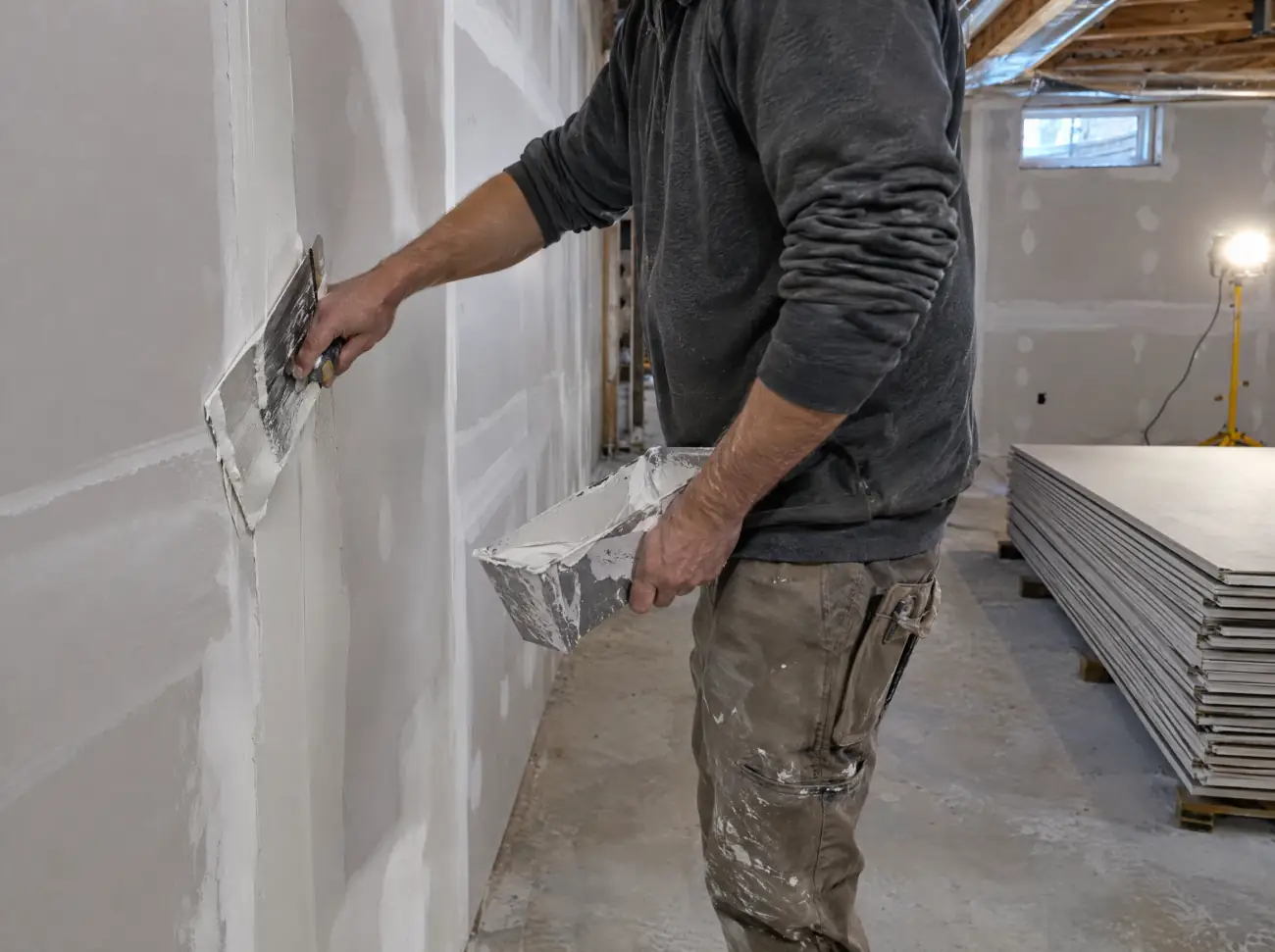
- Taping, mudding and sanding to the finish level written in the scope
- Matching the existing texture, such as orange peel or knockdown
- Corner bead and repairs around outlets, doors and windows
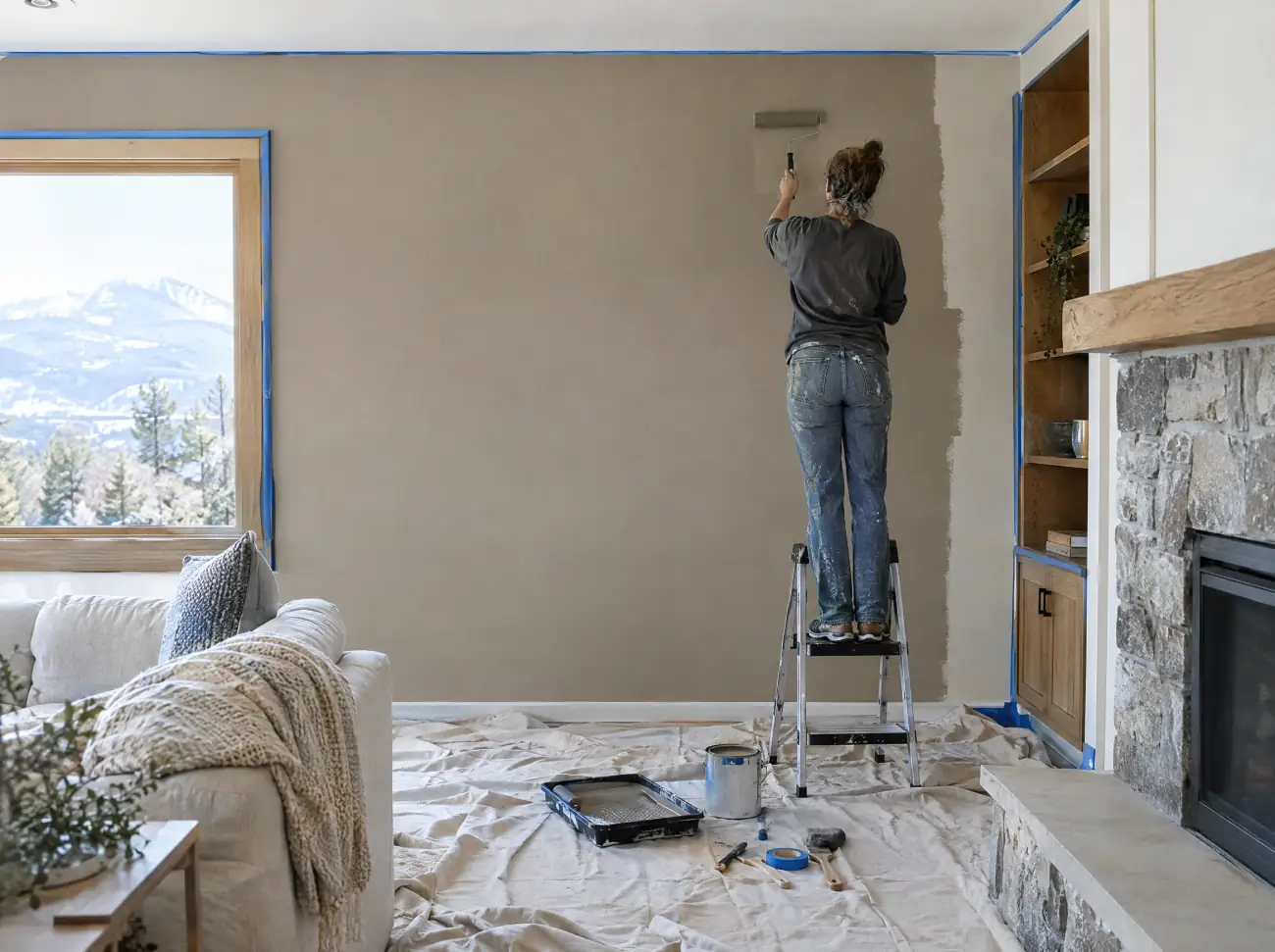
- Primer on new work so it is ready for paint
- Cleanup and debris removal
What we scope
Patches and repairs
Holes, dents, nail pops and cracks, from one wall to every room.
Water damage
Cutting out and replacing wet or stained board once the leak is fixed.
Texture matching and removal
Matching orange peel or knockdown on a repair, or removing and smoothing popcorn ceilings after testing.
New walls and basements
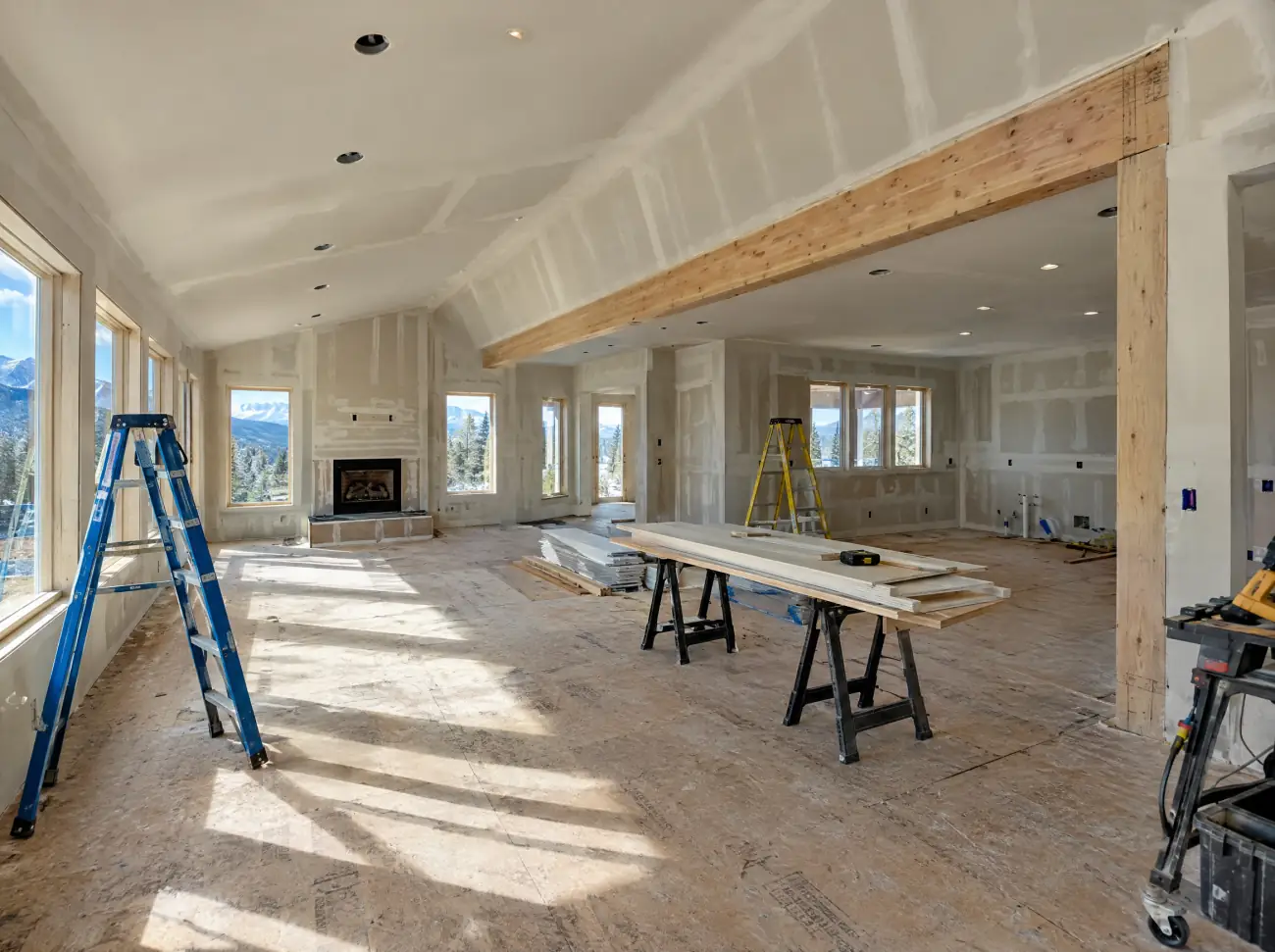
Hanging and finishing drywall for new walls, basement finishes and remodels.
Garages
Garage walls and ceilings, including fire-rated board where the building code calls for it.
What drives the cost
Every project is different, so your True Bid prices yours line by line after the site visit. These are the things that move the price most.
- Number of repairs
- Several small patches across the house take more trips and setup than one large area.
- Ceiling height and access
- Vaulted ceilings, stairwells and tight spaces need scaffolding and slow the work.
- Finish level
- A smooth wall under bright light or glossy paint needs more coats and sanding than a textured one.
- Texture
- Matching an existing texture so a patch disappears takes skill and a few tries.
- Cause of the damage
- Leaks, settling cracks and repeat nail pops may need plumbing or framing repairs first.
- Testing in older homes
- Lead or asbestos testing, and the precautions that follow, add time and cost before any sanding.
Permits and HOAs in Douglas County
Most drywall patching and repair needs no building permit. Bigger jobs are different. Finishing a basement, building new walls or opening walls as part of a remodel usually needs a permit from your town in Castle Rock, Parker, Lone Tree, Castle Pines or Larkspur, or from Douglas County's Building Division in unincorporated areas like Highlands Ranch. Each building department sets its own threshold, so your contractor confirms it before work starts.
Older homes need testing. In a home built before 1978, the EPA's Renovation, Repair and Painting rule requires lead-safe certified firms for paid work that disturbs painted surfaces. Some older joint compound and textured ceilings may contain asbestos, and Colorado has rules for testing and removal. Testing may be required before demolition, and we note it in the scope.
Built for Douglas County
Some Douglas County homes sit on expansive soils that swell and shrink with moisture. In those homes, diagonal cracks above doors and windows, or doors that start to stick, can be a sign of movement. A patch over a moving crack won't hold for long, so our estimator notes it and may recommend having the cause checked first.
Dry air plays a part too. Framing lumber dries and shrinks after a house is built, which is one reason nail pops and seam cracks are common in newer homes. Most are cosmetic and easy to fix once the house settles.
How DougCO Builds runs your project
- Tell us about itSend the basics through the project form. We call to set up a site visit.
- One site visitOur estimator measures, photographs what's there and talks through what you want.
- Your True BidYou get a written, line-by-line scope and a budget before any contractor sees the job.
- Contractors bid on the same scopeVetted local contractors bid without your contact details. You compare the bids side by side.
- We manage it with youWe check insurance and licensing before work starts, then walk the job at milestones and at the finish.
Questions to ask before you hire
- What finish level will the new drywall get, and will it be primed?
- How will you match my existing texture, and can I see a sample first?
- How will you contain the dust while you sand?
- What do you think caused this crack or stain, and will it come back?
- If my home was built before 1978, is your firm lead-safe certified, and will you test for asbestos?
Drywall questions
Do I need a permit for drywall repair in Douglas County?
Most patching and repair doesn't need one. New walls, basement finishes and larger remodels usually do, from your town or from Douglas County in unincorporated areas. Your contractor confirms it and pulls it.
Why does my patch show through the paint?
Usually the texture or sheen doesn't match, or the patch wasn't primed before painting. A good repair matches the texture, gets primer and is painted corner to corner, not just over the patch.
Are cracks above my doors a problem?
Small hairline cracks often come from normal framing shrinkage. Cracks that keep growing, run diagonally from corners or show up with sticking doors can point to movement in the house. Those are worth checking before anyone patches them.
Can my popcorn ceiling come down?
Usually, yes. Popcorn ceilings in older homes may contain asbestos, so testing may be required before anyone scrapes. After removal, the ceiling is skim-coated or retextured and painted.