What to know before you start
Two insulation bids can look alike on paper and do very different jobs. One crew blows a fresh layer over the old insulation. Another seals the gaps around lights, pipes, wiring and the attic hatch first, then adds insulation. Air sealing is hard to see once the work is done, and easy to leave out.
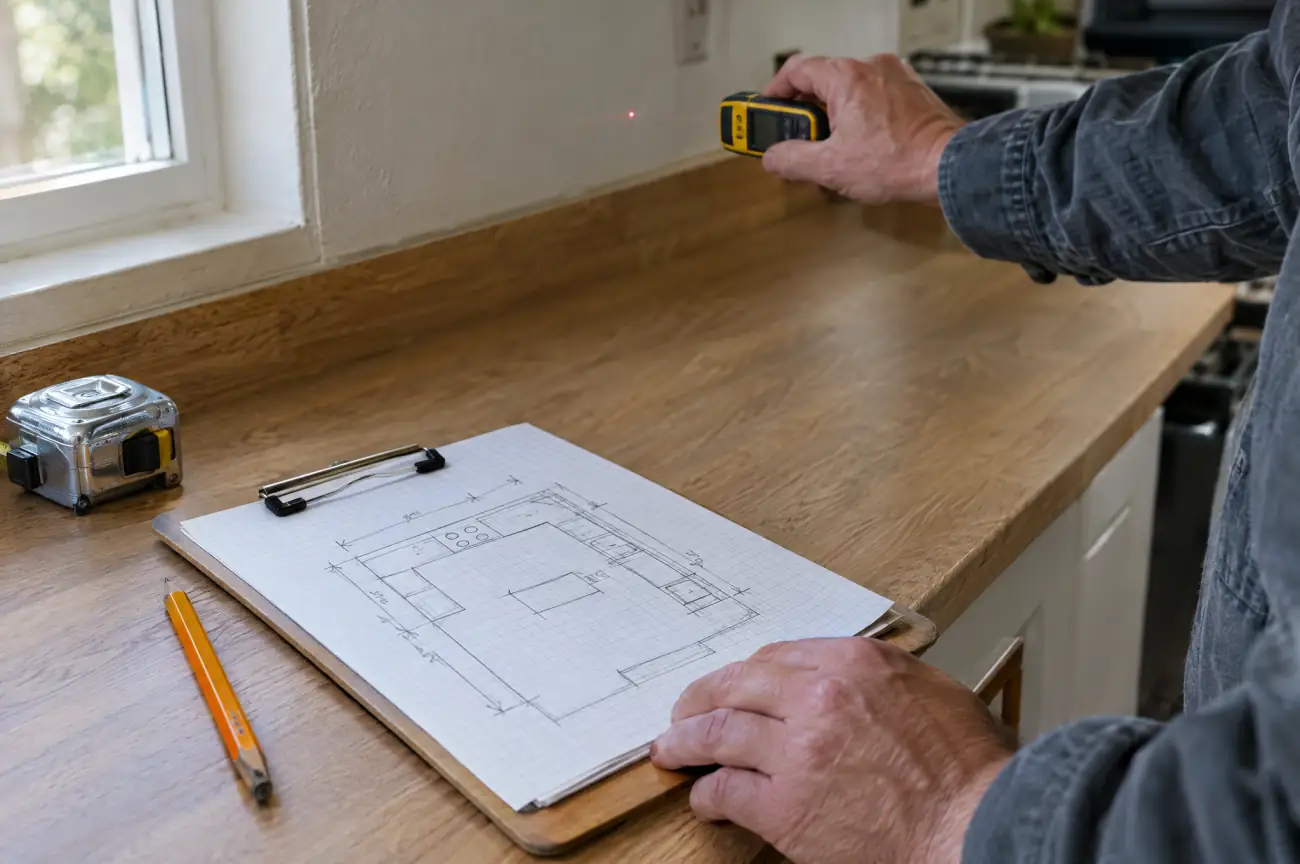
Our estimator looks in the attic, the crawlspace and along the rim joists, notes what's there and how deep it is, and writes down what should be sealed, removed or added. Every contractor bids on that list, and we check it against the work at the final walkthrough.
What the job includes
- Air sealing around top plates, light fixtures and plumbing and wiring holes
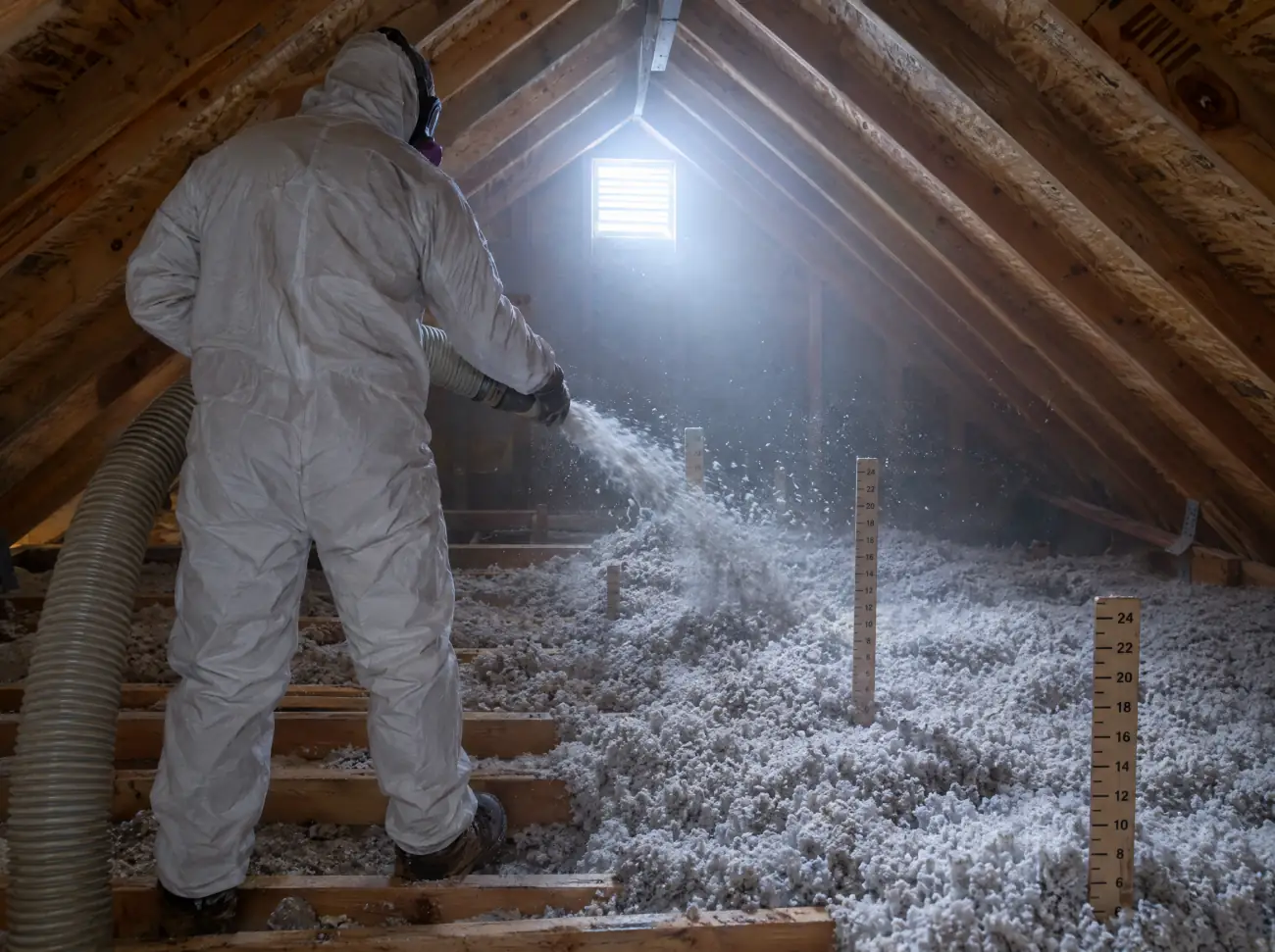
- Blown-in attic insulation in fiberglass or cellulose
- An insulated, weatherstripped attic hatch or pull-down stair cover
- Baffles at the eaves to keep soffit vents open
- Rim joist and crawlspace insulation
- Dense-pack insulation blown into closed walls through small holes
- Insulating garage ceilings under bonus rooms
- Removal of old, wet or damaged insulation when the scope calls for it
What we scope
Attic insulation and air sealing
The most common job: seal the attic floor, then bring insulation up to an even, consistent depth.
Crawlspaces and rim joists
Insulating rim joists and crawlspace walls, often with spray foam or rigid foam board.
Walls
Dense-pack insulation blown into closed walls, or batts and spray foam when walls are open during a remodel.
Bonus rooms and additions
Fixing cold rooms over garages and insulating new space to code.
Spray foam
Open-cell or closed-cell foam for rim joists, vaulted ceilings and hard-to-reach spots.
What drives the cost
Every project is different, so your True Bid prices yours line by line after the site visit. These are the things that move the price most.
- Area and depth
- The square footage, and how much material it takes to reach the target level.
- Air sealing detail
- Sealing every gap takes time, and it does much of the real work.
- Material
- Spray foam costs more than blown fiberglass or cellulose, and each fits different spots.
- Removal
- Pulling out old, wet or rodent-damaged insulation adds labor and disposal.
- Access
- Low attics, tight crawlspaces and finished walls slow crews down.
- Ventilation fixes
- Adding baffles or clearing blocked soffit vents may come with the job.
Permits and HOAs in Douglas County
Adding insulation usually doesn't need a permit on its own. That changes when it's part of a bigger permitted project, like a basement finish, an addition or a remodel. Then the insulation is inspected with the rest of the work, by your town or, in unincorporated areas like Highlands Ranch, the county's Building Division.
Two safety points belong in any scope. Spray foam in some locations needs a fire-rated covering, and tightening up a house can change how gas appliances vent. Ask how each contractor handles both. If your attic has old vermiculite insulation, have it tested before anyone disturbs it.
Built for Douglas County
Winter is where a leaky attic shows. Heat that escapes into the attic melts snow on the roof, and that water can refreeze at the eaves and form ice dams. Air sealing and attic insulation are among the most effective ways to cut that down. In summer, strong sun on the roof heats the attic, and good insulation keeps more of that heat out of the rooms below.
Many homes also have a room that never feels right, often a bonus room over the garage. The cause is often missing insulation or air leaks in the floor and walls around it. When you compare bids, ask about current utility rebates, since programs change.
How DougCO Builds runs your project
- Tell us about itSend the basics through the project form. We call to set up a site visit.
- One site visitOur estimator measures, photographs what's there and talks through what you want.
- Your True BidYou get a written, line-by-line scope and a budget before any contractor sees the job.
- Contractors bid on the same scopeVetted local contractors bid without your contact details. You compare the bids side by side.
- We manage it with youWe check insurance and licensing before work starts, then walk the job at milestones and at the finish.
Questions to ask before you hire
- Is air sealing included, and which spots will you seal?
- What depth or R-value will the attic reach when you're done?
- Will you add baffles and keep the soffit vents clear?
- Will any old insulation come out, and how will you dispose of it?
- Will you check gas appliance venting after the house is tighter?
Insulation questions
Do I need a permit for attic insulation?
Usually not when insulation is the only work. If it's part of a basement finish, addition or remodel that needs a permit, the insulation gets inspected with the rest.
Should I remove my old insulation first?
Not always. Dry, clean insulation can often stay, with new material added on top after air sealing. Wet, moldy or rodent-damaged insulation should come out. Our estimator notes what you have.
Is spray foam better than blown-in?
They do different jobs. Spray foam seals and insulates in one step and works well on rim joists and tight spaces. Blown-in fiberglass or cellulose is usually the better fit for an open attic floor. Many jobs use both.
Will insulation help with ice dams?
Often, yes. Ice dams form when heat escapes into the attic and melts snow on the roof. Sealing air leaks and adding insulation keeps more of that heat in the house. Attic ventilation and gutters play a part too.